
Why It Is Important to Make a Willat an Early Stage of Life
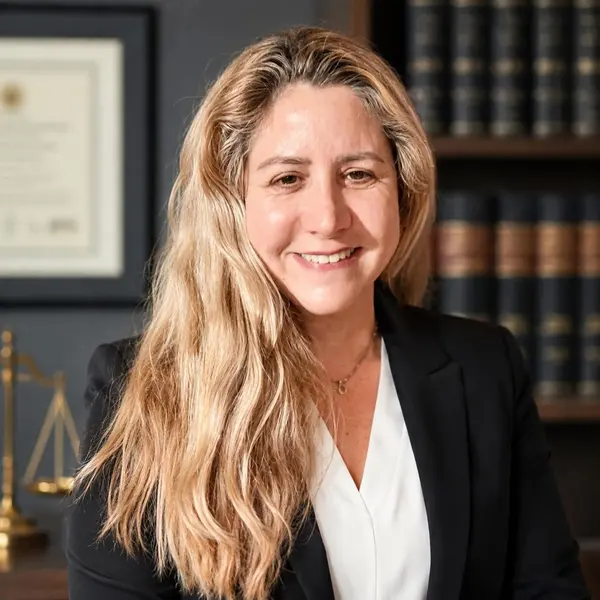 By attorney and notary Liron Segev
In the past, it was mainly older people who would make a will. Today it is clear that there is no particular age for doing so, and those who understand its importance provide for their loved ones in good time. This article reviews the legal position where there is no will, and the reasons to make a will at an early stage.
Division of the Estate Without a Will
Many people are unfamiliar with the provisions of Israel's Succession Law, and with the possibility of setting out a different division among their loved ones in a will.
When a person dies without a will, the estate is divided under the Succession Law, and not necessarily according to that person's wishes. For example, when a person who is married or in a recognised common-law relationship dies without a will, the estate is broadly divided as follows:
- Half to the spouse or partner.
- Half to the children.
A will may, of course, provide for any other division the testator chooses. For example, leaving the house to the spouse, dividing the estate differently between the children, or leaving part of the estate to another person.
A Mutual Will Between Spouses
Spouses may make a mutual will. Such a will may, for example, leave the entire estate to the surviving spouse, and only after that spouse's death to the children.
Such a will prevents, for example, a situation in which one of the children seeks to realise their inheritance and sell the house while one of the parents still wishes to live in it. The surviving spouse can thus continue to live in the home with security.
Spouses in Divorce Proceedings
A further situation that merits attention is that of spouses in divorce proceedings. As long as they have not divorced and have not made wills, the law may still regard them as married. In that case, each of them may inherit half of the other's estate, although this may well not reflect their wishes. It is therefore advisable to consider a will at the start of the proceedings, and not only at their conclusion.
A Will at Any Age
A will is not a matter only for later life. It is relevant to anyone who has assets, a family, or people for whom they wish to provide. For example:
- Couples with children who wish to determine what will happen to the home.
- Couples who are not married.
- Persons going through divorce proceedings.
- Persons who wish to leave assets to someone who would not inherit by law.
Matters to Consider Before Making a Will
Before meeting with the lawyer, it is advisable to consider a number of questions:
- The assets: an apartment, savings, bank accounts, a business.
- To whom the testator wishes to leave the estate, and in what shares.
- Whether there is a specific asset the testator wishes to leave to a specific person.
- Whether there are children from a previous relationship, or a partner to whom the testator is not married.
- Who will ensure that the will is carried out in accordance with the testator's wishes.
Complete answers to every question are not required in advance. The questions serve as a starting point for the meeting, and help ensure that the will addresses the circumstances that matter to the testator.
A Will as an Expression of the Testator's Wishes
The purpose of a will is to ensure that the estate passes in accordance with the testator's wishes. These situations, and others like them, can be addressed by a will that reflects the person's wishes.
Israeli law recognises several forms of will, such as a handwritten will, a will made before witnesses, and a will made before an authority or a notary. The differences between them are discussed in the article on notarial wills.
Conclusion
A will makes it possible to provide for loved ones and to avoid situations in which the division under the law does not reflect the testator's wishes. It is advisable to make a will in good time, while there is time to consider every situation. When circumstances change, for example through marriage, divorce or the birth of a child, it is advisable to review whether the will still reflects the testator's wishes.
This article provides general information only and does not constitute legal advice. For legal advice, please contact the office.